
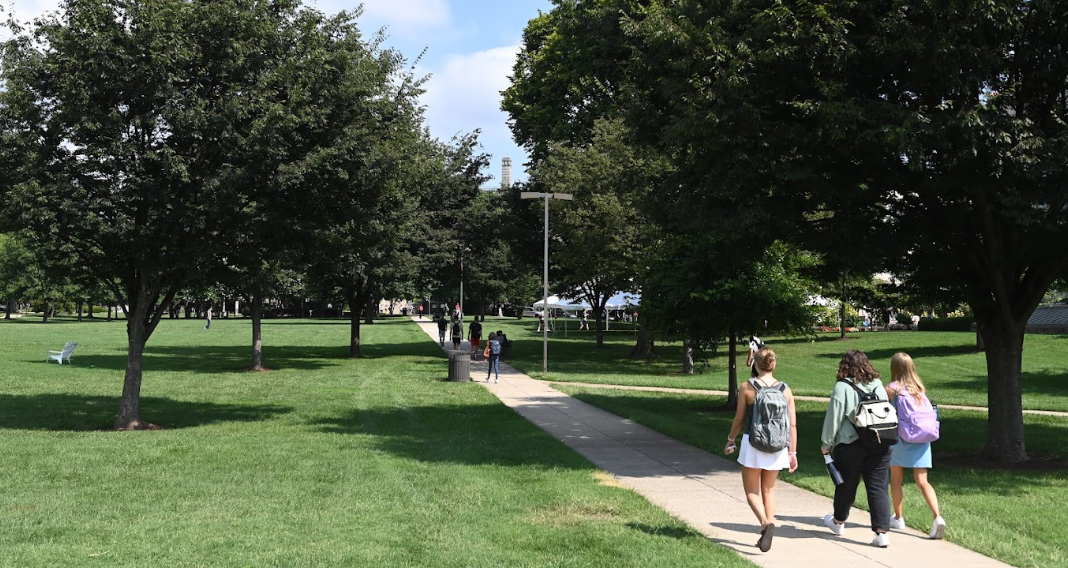
Set on the southern slope of one of the highest points in the city, the Catholic University of America has a beautiful natural landscape graced with extraordinary views, rolling topography, and pastoral plantings. At 173 acres, Catholic U’s campus is the largest college campus in the District of Columbia. Our abundant green space provides us with acres of opportunity to improve the environment around us.
Over the years, the Grounds Department has implemented a variety of sustainable best practices including planting native and adaptive plants that need less irrigation, introducing stormwater management devices to reduce runoff, and planting more trees to increase biodiversity. The sections below explore these best practices.
-
Irrigation
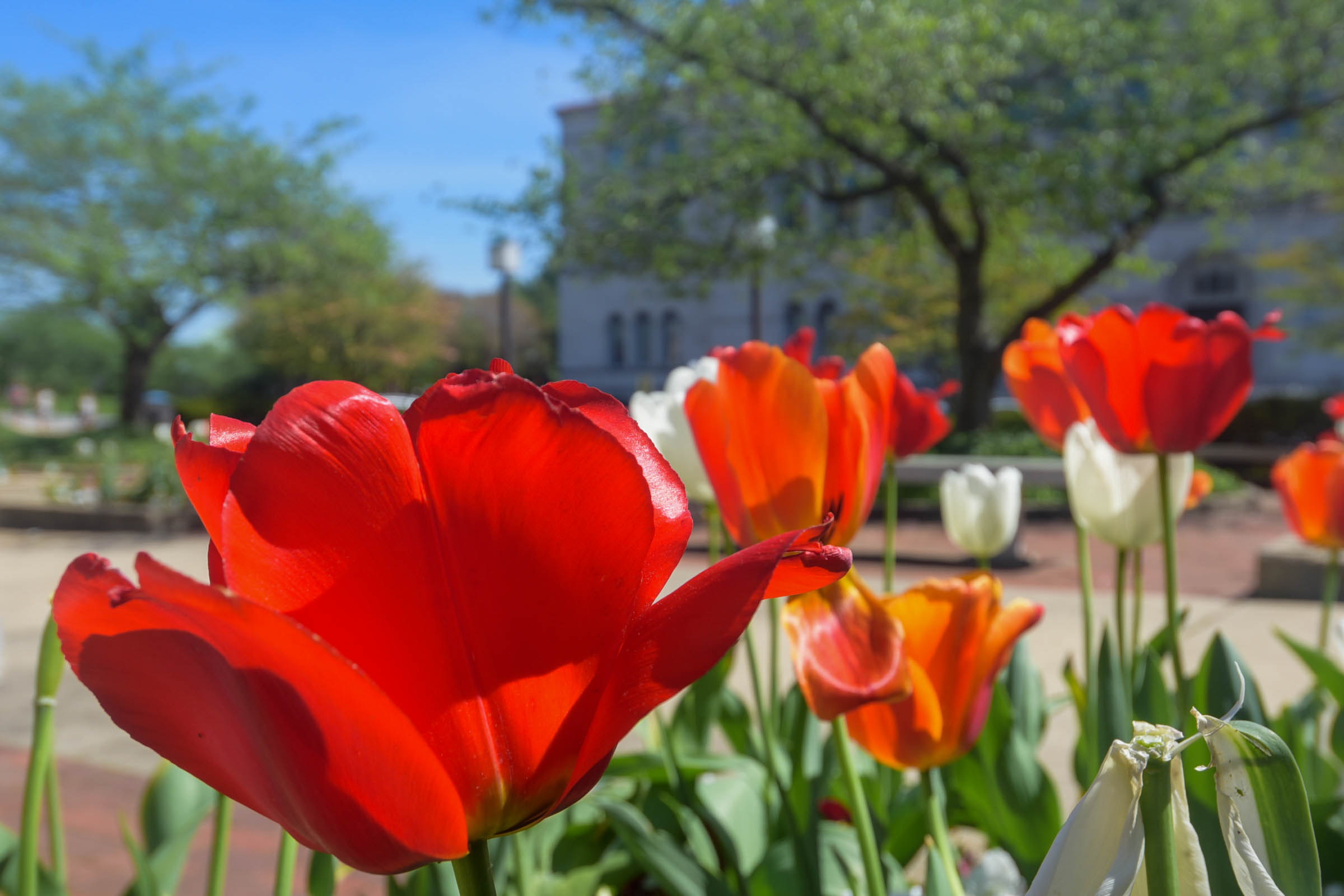
Over the last decade, the University has moved away from permanent irrigation for capital improvements and installed a new irrigation control system with an improved rainwater sensor to reduce the need for constant irrigation during rain events. -
Campus Trees
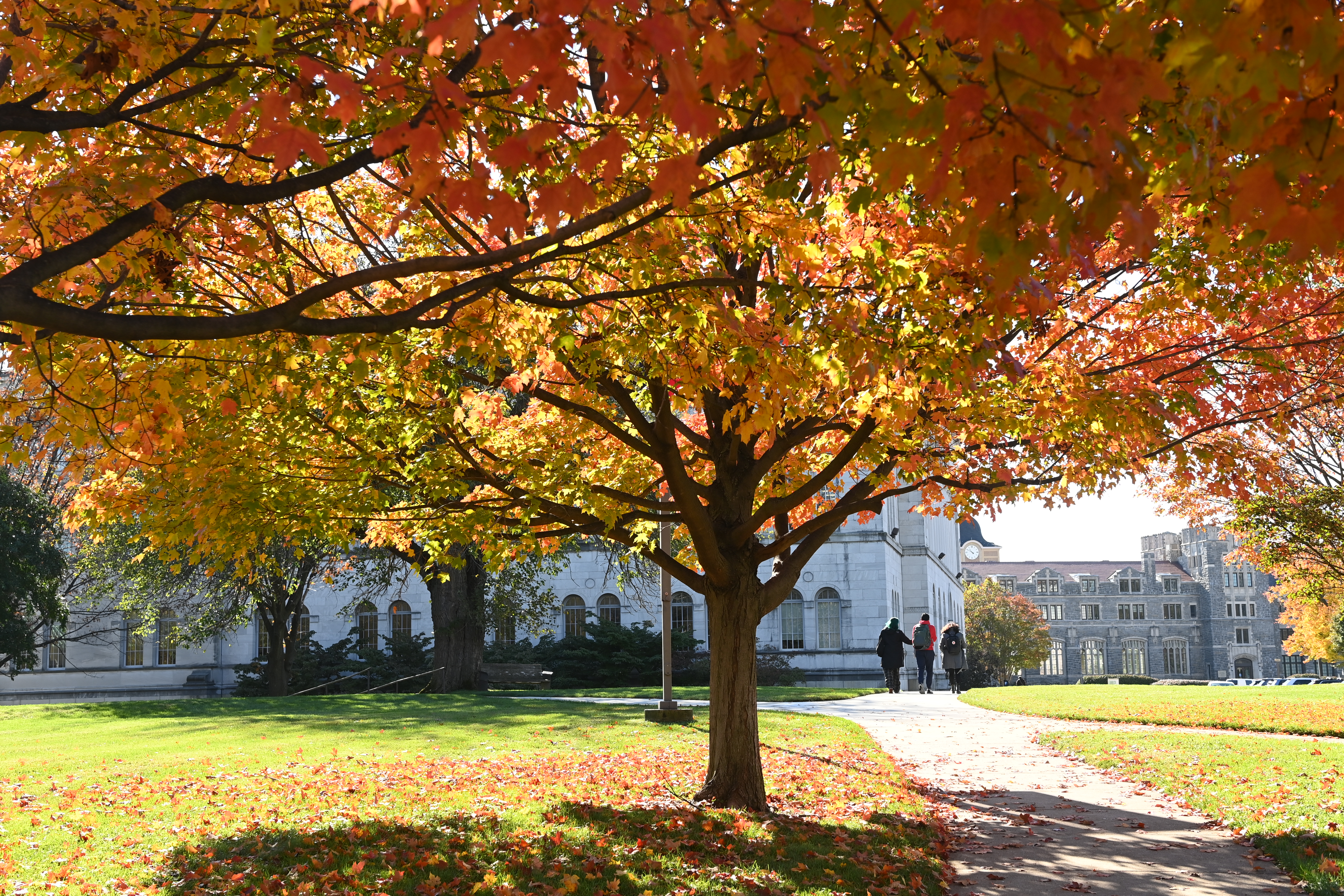
Catholic University is home to over 4,500 trees! The University regularly partners with Casey Trees to plant trees on Main and North Campus. Every year for the past several years, Casey Trees has planted approximately 100 new trees on campus.
-
Rain Gardens
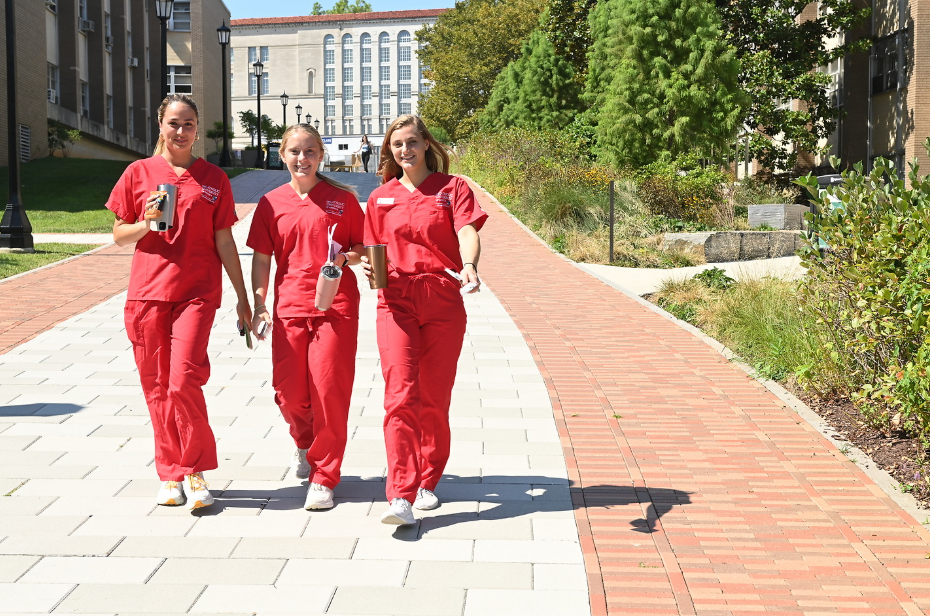
Rain gardens capture and store stormwater runoff and pass it through a filter. Filtered runoff slowly infiltrates into the soil. Rain gardens can be found at Pope Leo Lane, the Conway School of Nursing Building, Centennial Village, Maloney Hall, Welcome Plaza, and Curley Hall. -
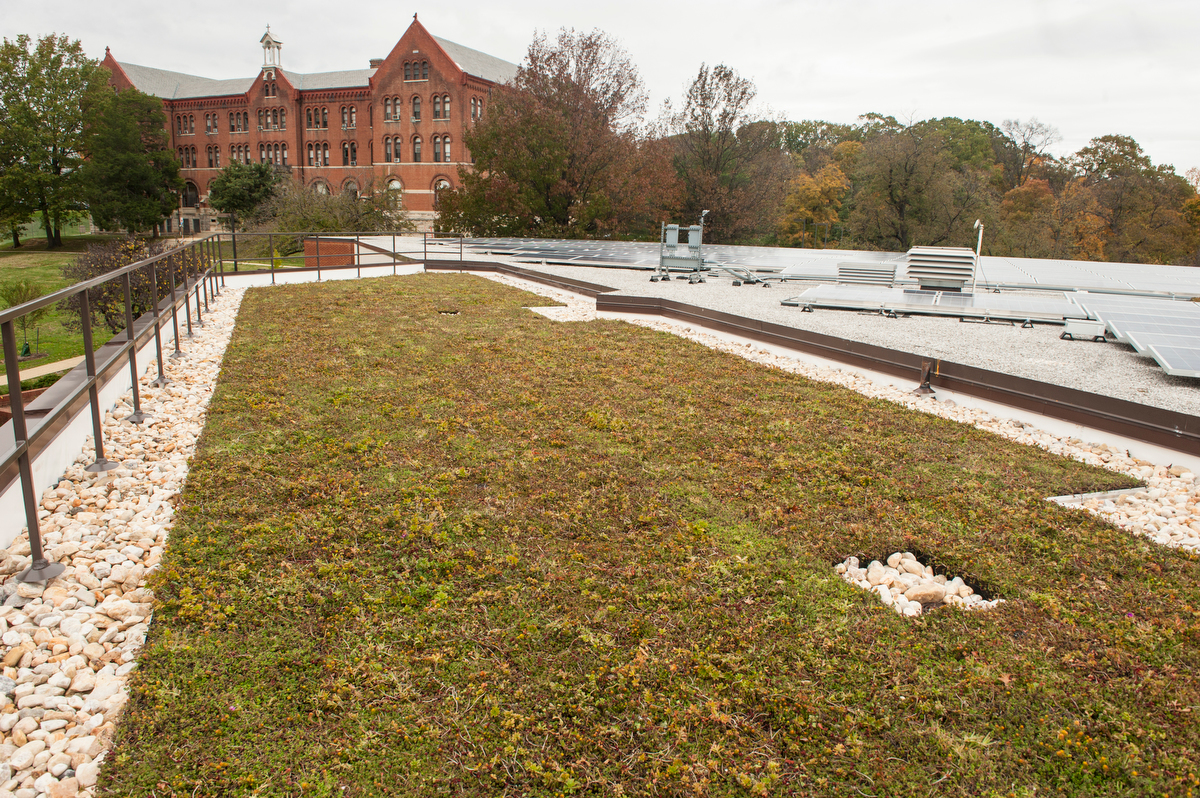
Green Roofs
Green roofs capture and store rainfall in engineered growing media designed to support plant growth. Green roofs can be found on the University lawn, Father O’Connell Hall, the Conway School of Nursing Building, and Aquinas Hall. -
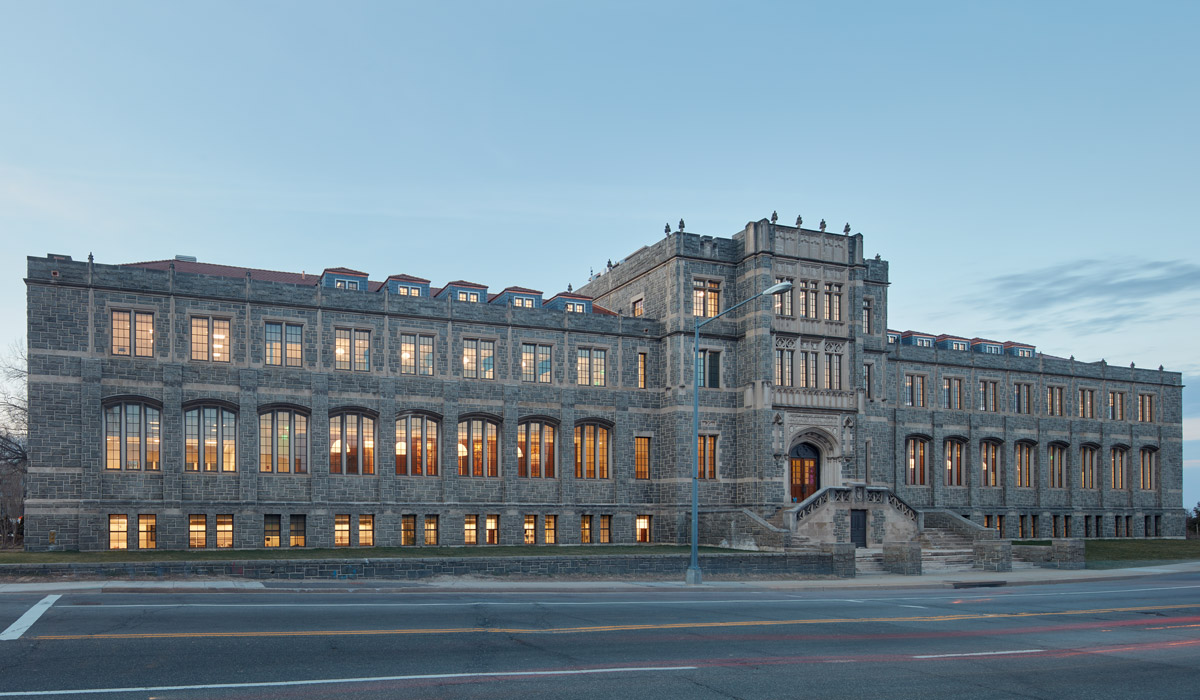
Rainwater Harvesting
Rainwater harvesting systems store rainwater that falls onto a rooftop or other impervious surface in above- or below-ground tanks and release it for future non-potable use. Rainwater harvesting systems can be found at the Power Plant and Maloney Hall. -
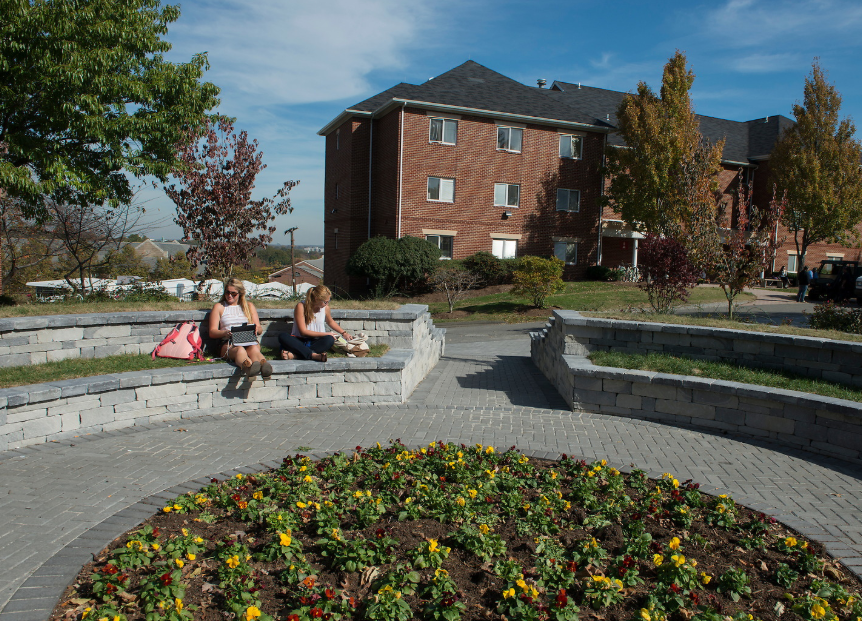
Permeable Pavement
Permeable pavement is an alternative paving surface that captures and temporarily stores stormwater by filtering it through voids in the pavement surface. Filtered stormwater slowly infiltrates into the soil. Permeable pavement can be found at Carlini Field and the Centennial Village plaza. -
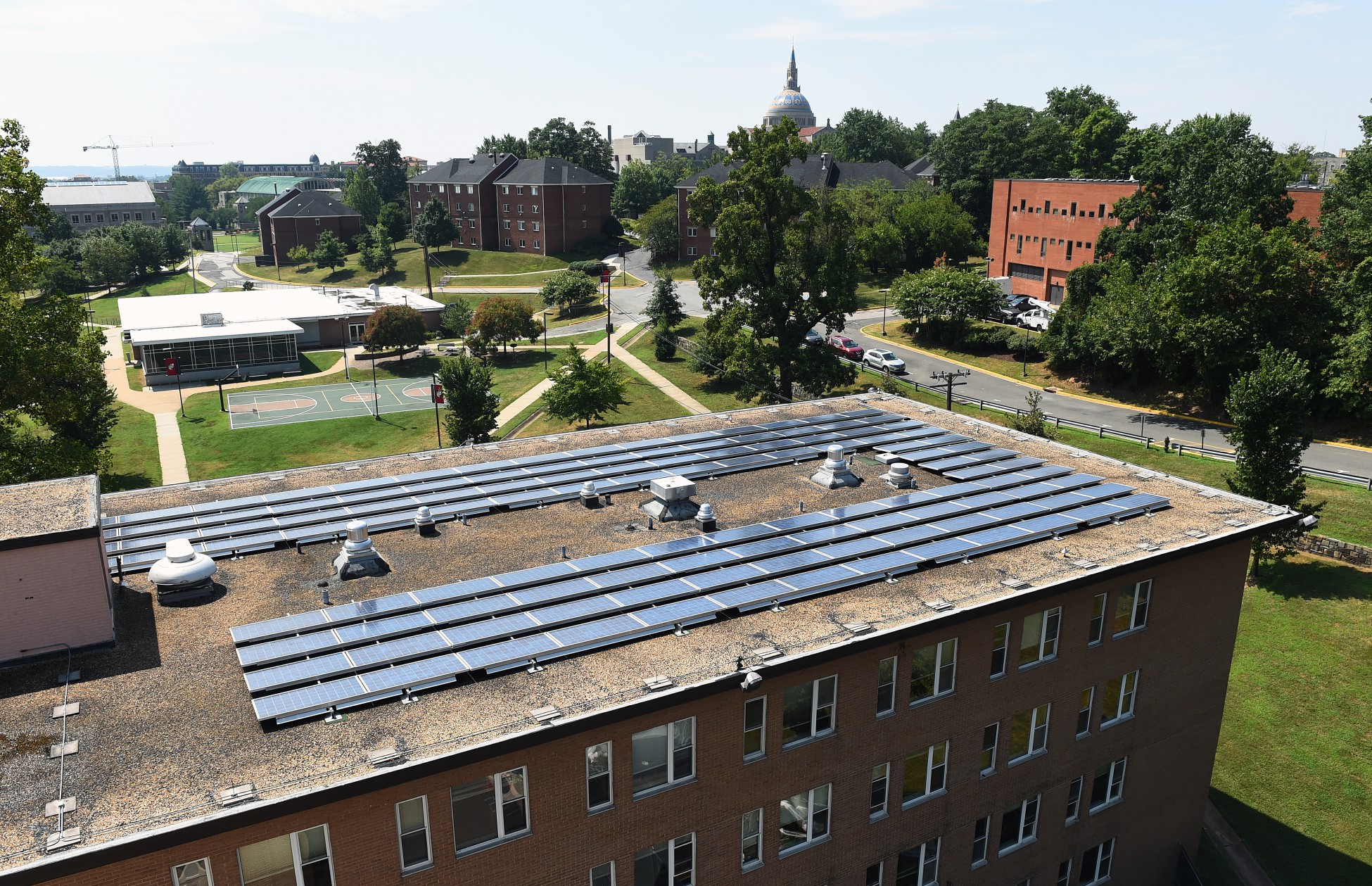
Sand Filters
Sand filters capture, filter, and temporarily store stormwater. Sand filters are typically contained in an underground concrete vault with three chambers which separate sediment and trash from the water, filter the water through sand and stone filter, and allow the water to discharge from the facility. Sand filters can be found at Millennium North, Millennium South, and Flather Hall. -
Infiltration Trenches and Basins
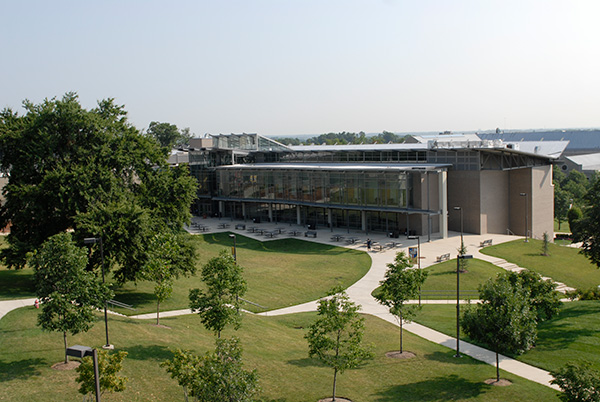
Infiltration trenches and basins capture and temporarily store stormwater before allowing it to infiltrate into the soil over a two-day period. Infiltration basins can be found at the Pryzbyla Center. -
Stormceptors
Stormceptors are an oil grit separator designed to protect waterways from hazardous material spills and stormwater pollution, including suspended sediment, free oils, floatables, and other pollutants that attach to particles. Stormcepters can be found at the Pryzbyla Center and Cardinal Stadium at the DuFour Center. -
Baysavers
Baysavers use density differences and gravity to remove suspended solids and floatables from stormwater runoff, and keep it from entering waterways. Baysavers can be found at the Grounds Maintenance Facility and O’Boyle Parking Lot.